
The Compact PC Shift: How Modern APUs Are Redefining Budget Desktop Gaming
Analyzing the rise of high-performance mini-PCs for PC gaming and emulation: how modern AMD RDNA 3/3.5 APUs deliver smooth 1080p esports and living-room gaming in a 1-liter chassis.
Table of Contents (6 sections)›
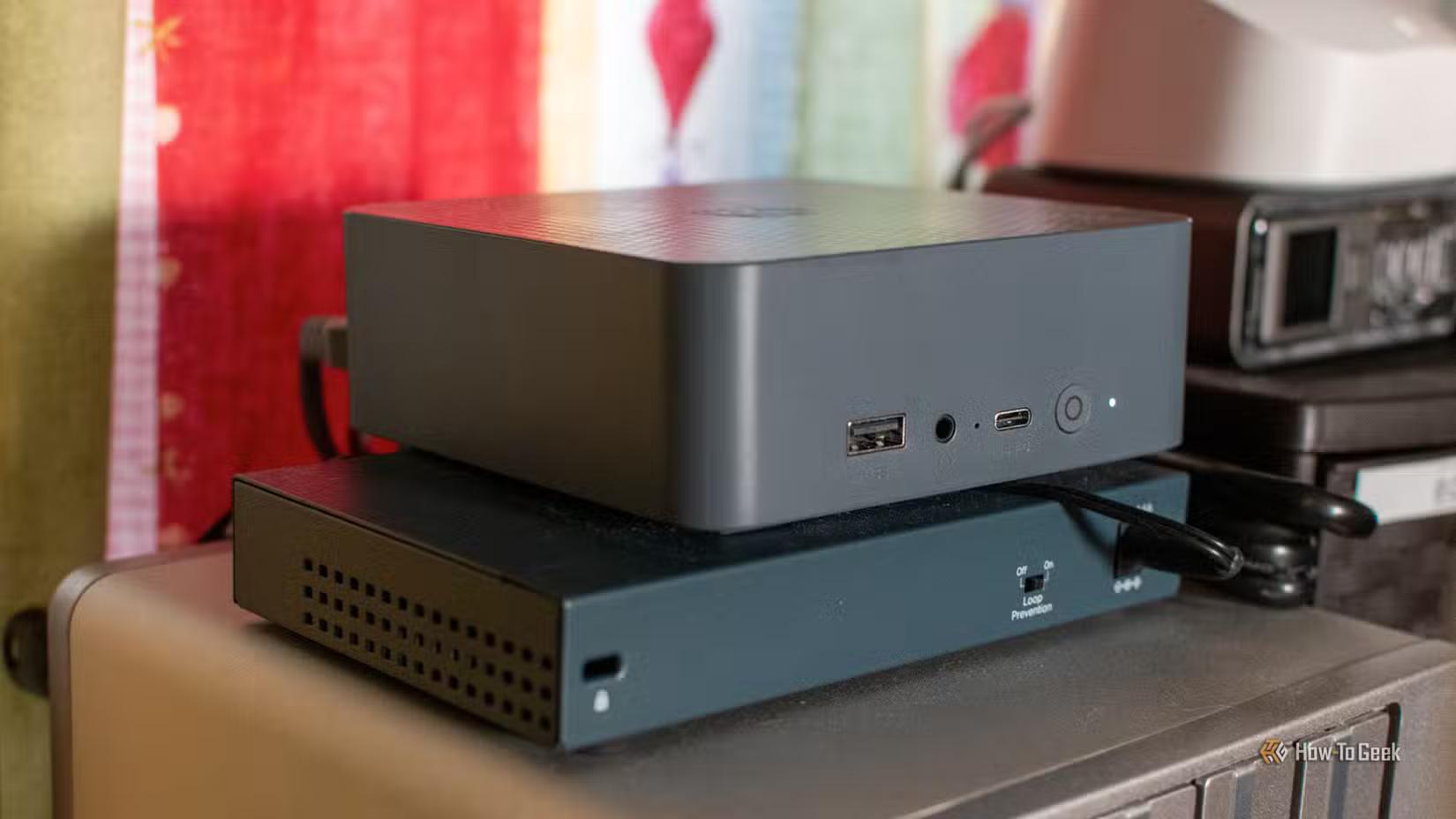
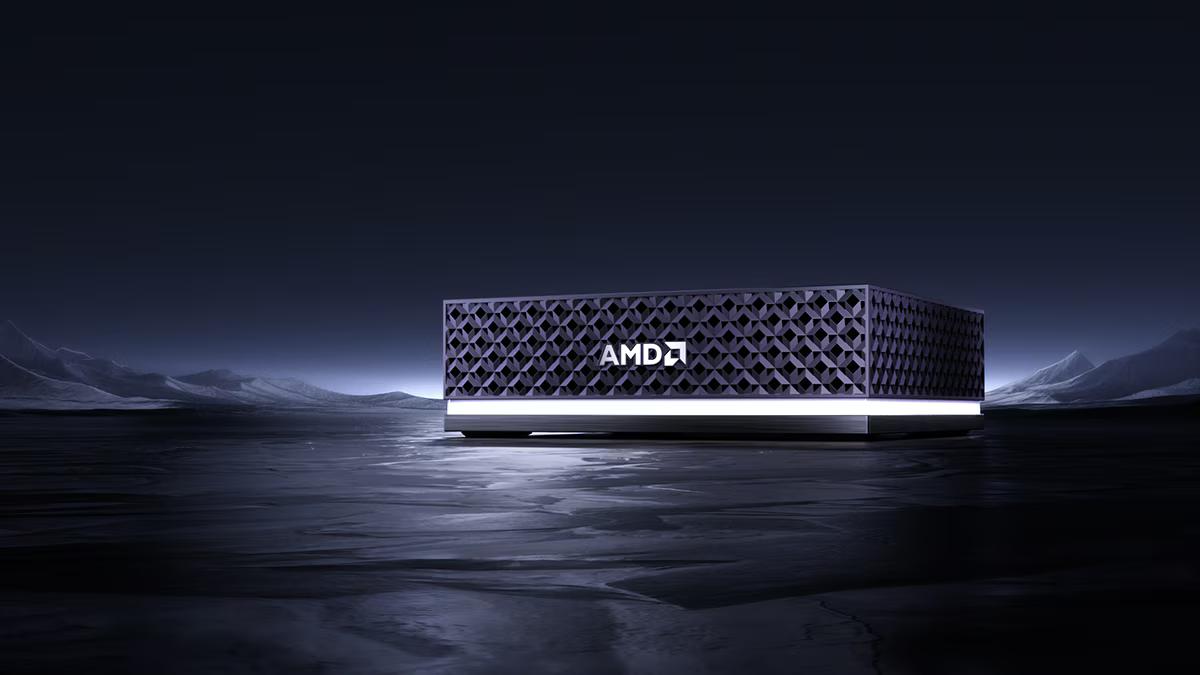
For years, budget PC gaming required building a bulky desktop tower crammed with entry-level discrete graphics cards. Today, rapid architectural advances in mobile silicon have triggered a quiet revolution: compact 1-liter Mini-PCs powered by modern integrated Accelerated Processing Units (APUs) can now comfortably handle 1080p esports gaming and retro emulation at a fraction of the physical footprint and power consumption of a traditional tower.
1. The Silicon Breakthrough: AMD RDNA 3 and RDNA 3.5 APUs
The catalyst behind this performance leap is the evolution of integrated graphics cores. Older integrated GPUs struggled to deliver 30 FPS at 720p. In stark contrast, modern APUs—such as the AMD Radeon 780M (Zen 4) and Radeon 890M (Zen 5 / RDNA 3.5)—pack up to 16 compute units operating above 2.8GHz.
- Shared High-Speed LPDDR5X Memory: By pairing integrated graphics cores with high-speed LPDDR5X memory running at 7500 MT/s, modern Mini-PCs achieve the memory bandwidth necessary to drive modern 3D games without dedicated VRAM buffers.
- FSR 3 and Intel XeSS Scaling: Modern temporal upscaling algorithms allow compact APUs to render internally at 720p and upscale to sharp 1080p with minimal artifacting, unlocking steady 60+ FPS in demanding titles.
2. Real-World Gaming Performance Benchmarks
- Esports & Competitive Titles (1080p Medium): Competitive games like Counter-Strike 2, Valorant, League of Legends, and Rocket League comfortably maintain between 90 and 160 FPS, providing fluid high-refresh gameplay.
- AAA Open-World Titles (1080p Low + FSR Quality): Demanding open-world games like Cyberpunk 2077, Forza Horizon 5, and Elden Ring achieve playable 40–55 FPS averages.
- High-End Retro Emulation: Mini-PCs represent the gold standard for living-room retro gaming consoles, effortlessly upscaling PlayStation 2, GameCube, Wii U, and Nintendo Switch titles to 1440p and 4K internal resolutions with zero frame drops.
3. OCuLink & USB4 External GPU (eGPU) Upgradability
One of the most exciting developments in modern Mini-PCs is high-bandwidth external expansion:
- The OCuLink Standard (64 Gbps): Mini-PCs featuring dedicated PCIe 4.0 x4 OCuLink ports allow users to connect external desktop graphics docks with near-zero latency degradation compared to internal PCIe slots. An ultra-compact desktop can dock with an RTX 4070 or RTX 5070 for native 4K gaming in the evening.
- USB4 / Thunderbolt 4 (40 Gbps): Provides universal single-cable docking for external displays, high-speed NVMe storage enclosures, and external GPU docks.
4. Thermal Architecture in 1-Liter Enclosures
Dissipating 45W to 65W of heat inside a chassis smaller than a textbook requires specialized engineering:
- Vapor Chamber Heat Spreaders: Leading brands (such as Minisforum and Beelink) utilize dual-heatpipe vapor chamber coolers paired with high-density copper fin stacks.
- Acoustic Levels: Under full gaming load, noise levels remain whisper-quiet (often under 32 dBA), and the tiny chassis easily mounts behind a living-room TV or monitor via standard VESA brackets.
5. Who Should Choose a Compact Mini-PC?
- The Living Room Gamer: Perfect for indie titles, casual gaming on a 4K TV, and comprehensive emulation libraries.
- The Small-Desk Setup: Ideal for students and remote workers who need a high-performance productivity workstation that doubles as an evening esports gaming rig without dominating desk space.
- When to Stick with a Dedicated Tower: If your goal is native 1440p/4K AAA gaming with full Ray Tracing or high-framerate VR, a full-sized desktop tower with a dedicated discrete GPU remains essential.
Liquid Metal vs. Phase-Change Thermal Pads in Compact Chassis
Thermal dissipation inside a compact 1-liter enclosure is an engineering challenge. Leading manufacturers have transitioned away from standard silicone thermal grease toward advanced thermal interface materials (TIM).
- Liquid Metal Application: High-end compact PCs (such as ASUS ROG NUC and Minisforum enthusiast lines) utilize nickel-plated copper vapor chambers paired with factory-applied liquid metal, lowering thermal resistance between the APU die and the heat sink by up to 15°C.
- Long-Term Reliability: Phase-change Honeywell PTM7950 thermal pads provide near-liquid-metal thermal conductivity without the risk of electrical short circuits or pump-out over years of heavy gaming cycles.